


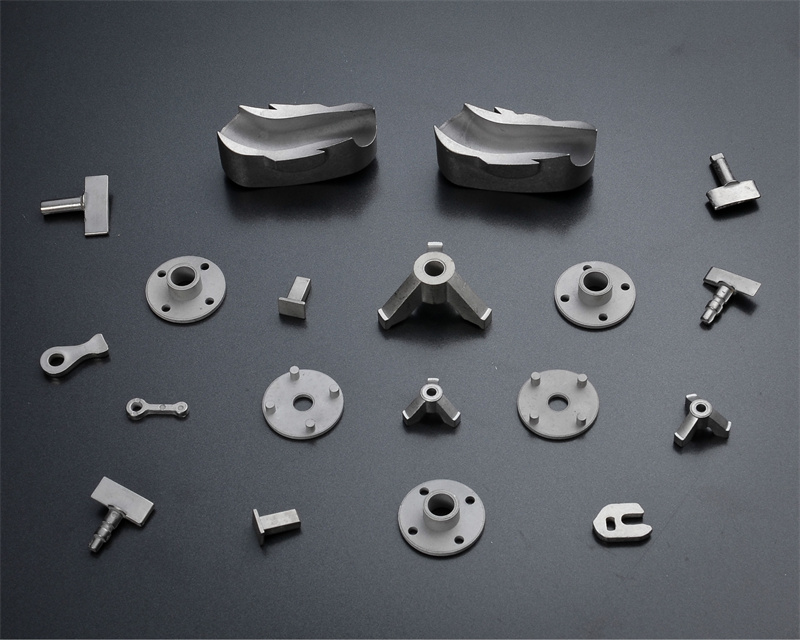
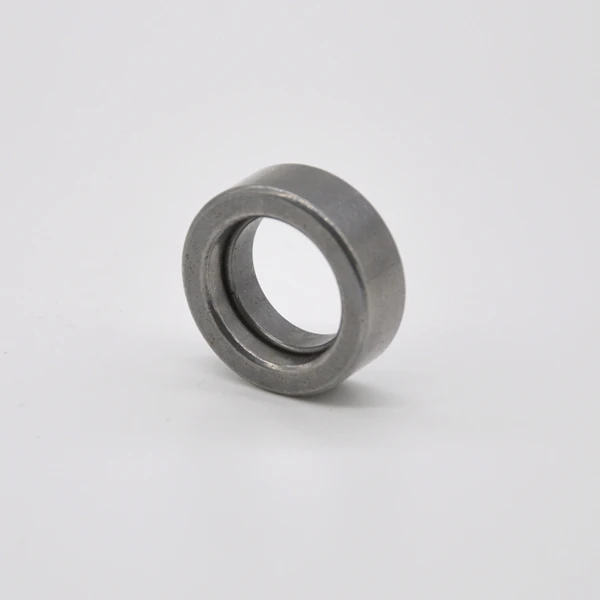
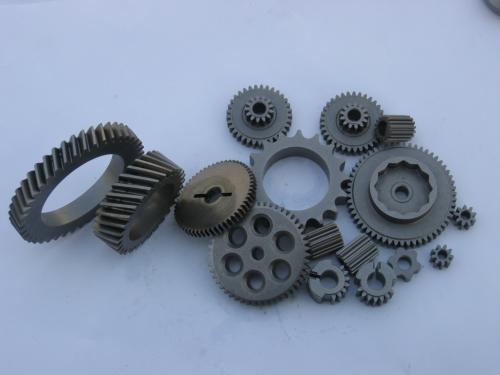
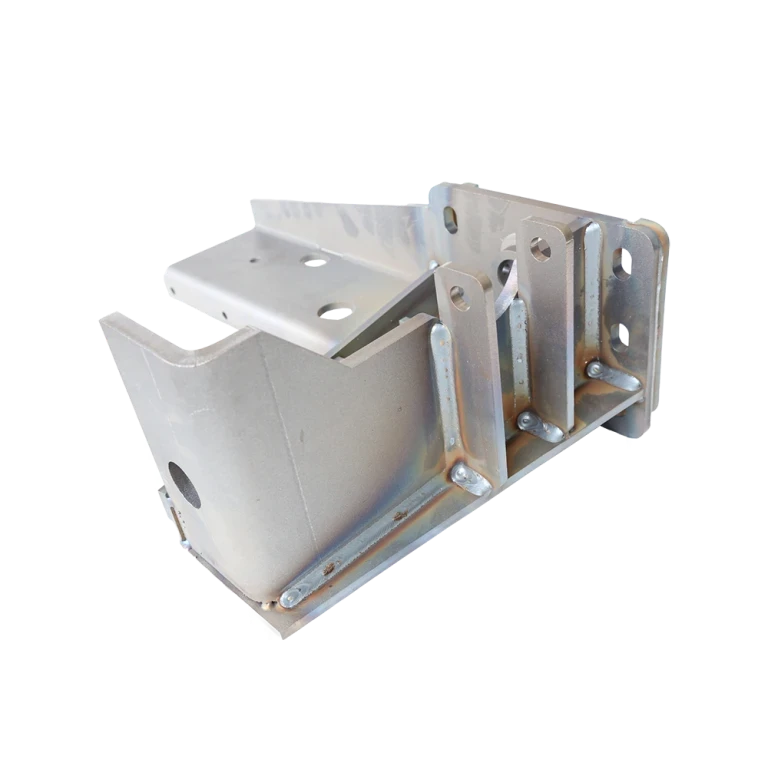


air compressor valve plate
A field note on sintering in metallurgy for oil pump gear rotors I’ve spent enough time around powder presses and hot furnaces to know this: the unglamorous parts often decide whether a powertrain runs quietly for 200,000 km or not. Case in point—the Custom Engine Parts Oil Pump Gear Rotor from Jingshi, made at TIANSHAN INTERNATIONAL MANUFACTURING INDUSTRY PARK NO.57, YUANSHI, SHIJIAZHUANG CITY, HEBEI PROVINCE, CHINA. It’s a textbook example of how production-grade sintering in metallurgy quietly shapes modern mobility. What’s trending right now Higher-density PM steels (≈6.9–7.1 g/cm³) to squeeze more torque without swelling cost. Steam oxidation as a pragmatic anti-scuff layer—less flashy than coatings, but it works. EV/hybrid pumps—e-axle thermal management needs compact rotors with tight leakage control. Design for sintering: customers shift tooth forms and root radii to avoid post-machining. Process flow (short, real-world version) Materials: Fe, F, FC, FN grades per MPIF 35; DIN 30910; JIS Z2550. Methods: precision pressing, continuous-belt furnace at ≈1120–1150°C in controlled atmosphere; sizing; optional steam oxidation; minimal finish ops. Testing: hardness per ASTM E18 Rockwell A; tensile per MPIF test methods (see cites); density via MPIF 42; microstructure check by metallography. Service life: around 6,000–12,000 engine hours depending on oil cleanliness and duty cycle—real-world use may vary. Industries: passenger cars, commercial trucks, off-highway, small engines, and increasingly EV auxiliaries. That’s the honest snapshot. Product specs at a glance Parameter Specification (≈) Notes Material standards SMF Series; F/FC/FN; MPIF 35; DIN 30910; JIS Z2550 Grade selection based on torque/noise target Density 6.4–7.1 g/cm³ Higher density → better wear and strength Apparent hardness 45–79 HRA ASTM E18 method Tensile / Yield Up to 1250 / 700 MPa Per MPIF test procedures Surface finish Steam oxidation Improves scuff resistance; seals micropores Supply ability ≈1,000,000 pcs/month Suited for automotive ramps Packaging 5/10 pcs kraft roll; 60–70 rolls/carton; palletized Cartons 360×360×250 or 360×230×240 Where it’s used (and why it works) Engine oil pumps and balance shaft modules—quiet operation is king. Transmission and e-axle pumps—compact, with predictable leakage paths. Small engines (garden, powersports)—cost-per-unit matters more than ever. Advantages? Dimensional repeatability, near-net tooth geometry, and a balanced cost curve. Customers tell me noise dropped ≈1–2 dB(A) after switching to a tighter tolerance window plus sintering in metallurgy grade tweaks. Not magic—just process control. Vendor landscape (quick comparison) Vendor/Process Unit Cost Strength/Density Best For Jingshi (Pressed & Sintered) Low–Medium Up to ≈7.1 g/cm³; 1250 MPa High volume, stable specs, steam-oxidized rotors Competitor A (SMC/PM) Similar Comparable General-purpose PM gears MIM Vendor Medium–High High density; complex shapes Small features; intricate rotors CNC Machining High Excellent Prototyping, ultra-low volume Customization and QC Typical tweaks: tooth module and root radius, skew angle, density target, and post-sinter ops (steam oxidation is common). QC gates include density, hardness, tensile coupons, surface roughness, and leak-down/flow tests in pump assemblies. Certifications often requested: ISO 9001 and IATF 16949; always request current certificates. It seems basic, but a lot of headaches disappear when you align specs with sintering in metallurgy limits early in DFM. Case study (condensed) A Tier-2 supplier switched from machined rotors to Jingshi’s pressed-and-sintered design. After re-profiling the tooth root and adding steam oxidation, field returns for pump squeal dropped by ≈32% over 18 months. Unit cost fell ~18%, and cycle noise at 2,000 rpm decreased by ≈1.5 dB(A). Not bad for a part most drivers never see. Practical buying checklist Confirm MPIF/DIN/JIS grade and target density vs. torque curve. Request ASTM E18 hardness data and MPIF tensile/coupon reports. Ask for lot Cpk on critical ID/OD and tooth-to-tooth variation. Verify packaging (kraft rolls, carton sizes) for damage control in transit. Authoritative citations: Metal Powder Industries Federation (MPIF) Standard 35: Materials Standards for PM Structural Parts. ASTM E18: Standard Test Methods for Rockwell Hardness of Metallic Materials. DIN 30910: Sintered metal materials—Specifications and testing. JIS Z2550: Sintered metal materials—General rules and test methods.


Sintered Iron Parts: Durable, Precise, Self-Lubricating?
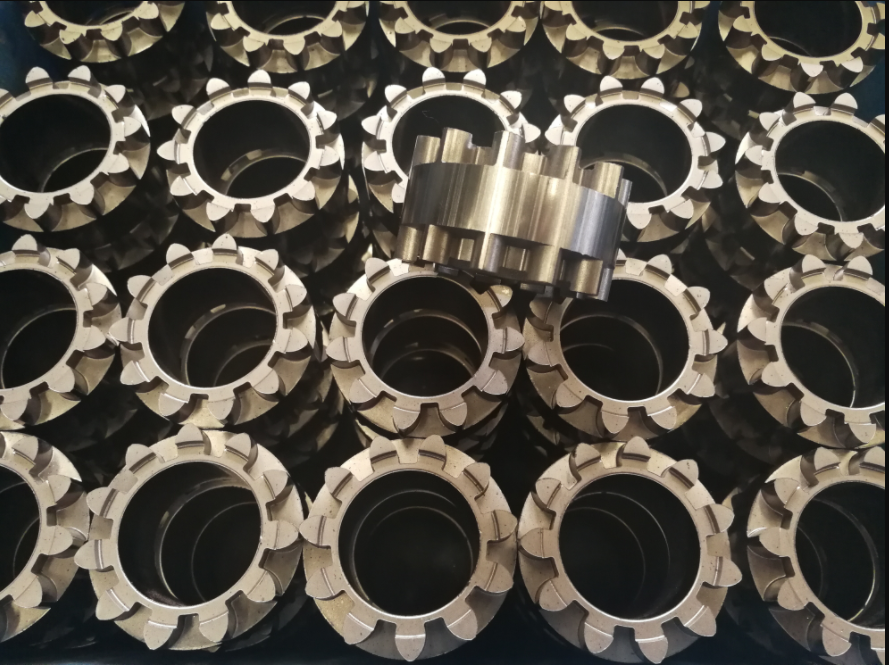

The Powder Metallurgy Components Market around the World
Subscribe For Newsletter

Shijiazhuang JingShi New Material Science and Technology Co., Ltd was founded since 2014, located in Shijiazhuang, Hebei province, China. The company covers an area of over 10,000 square meters and has


PRODUCTS

QUICK LINKS
CONTACT US
Address:TIANSHAN INTERNATIONAL MANUFACTURING INDUSTRY PARK NO.57, YUANSHI, SHIJIAZHUANG CITY, HEBEI PROVINCE, CHINA
Address:TIANSHAN INTERNATIONAL MANUFACTURING INDUSTRY PARK NO.57, YUANSHI, SHIJIAZHUANG CITY, HEBEI PROVINCE, CHINA